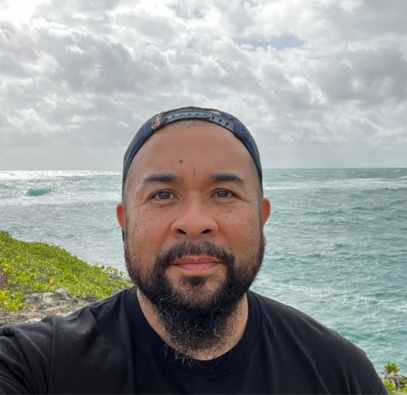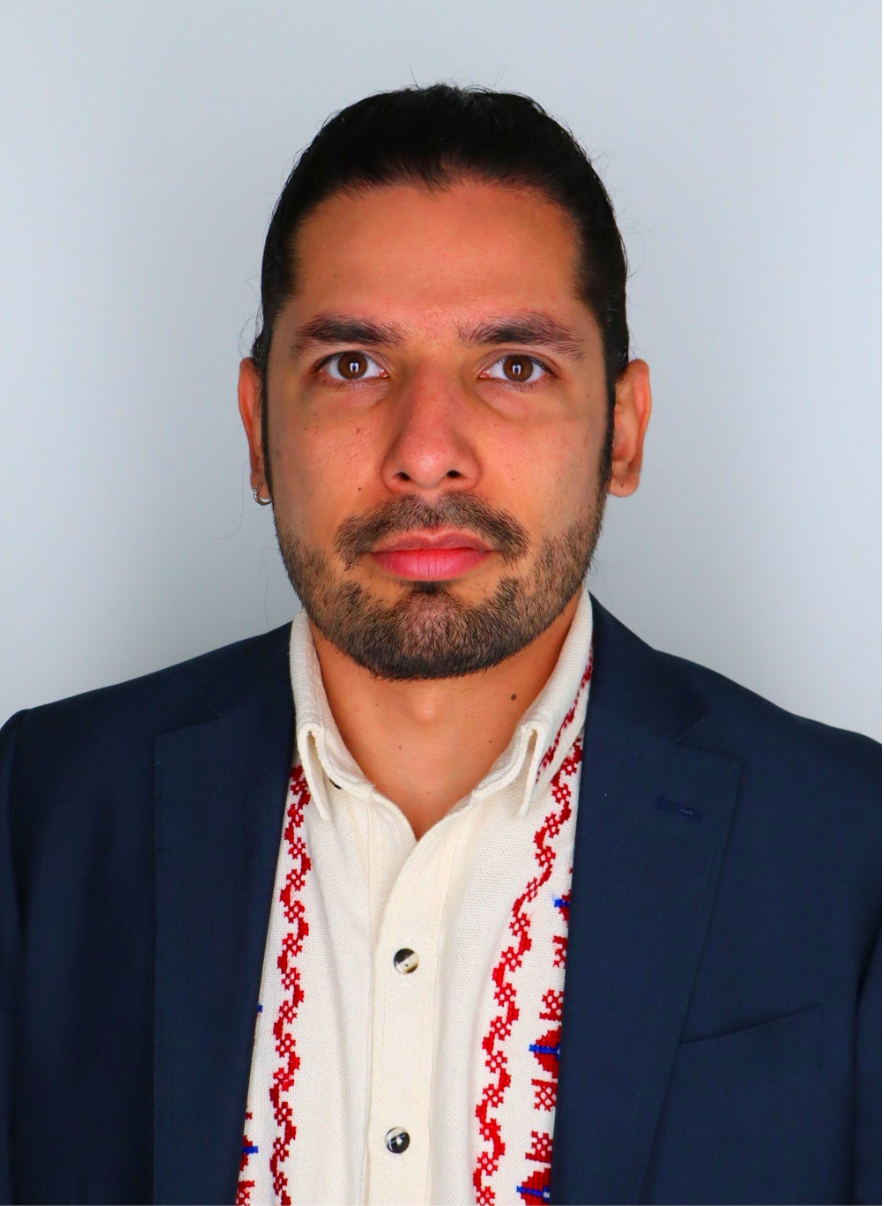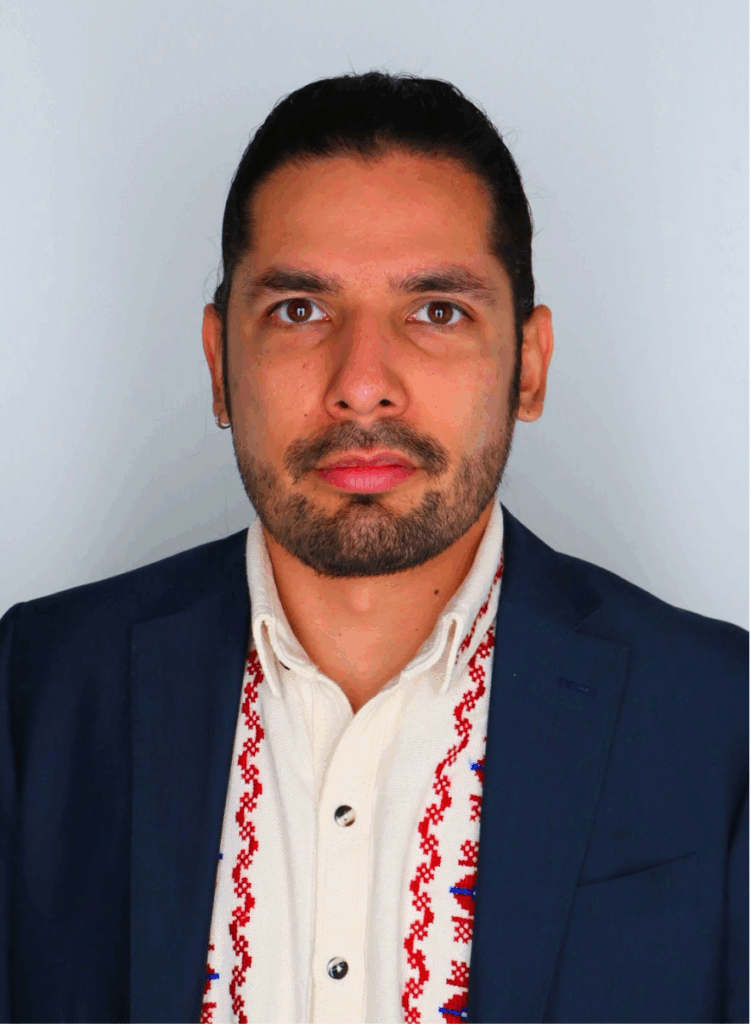
Colloquium: “Ethnic Studies as Praxis: Organizing, Policy, and Collective Power at the Sacramento Frontline” by Giselle Cunanan

Events

Join the UCR Department of Ethnic Studies for our colloquium speaker series

Monday, June 1, 2026
1:00-2:00 p.m.
CHASS INTN 3023

Centering storytelling, memory, and critical praxis as both research methods and political commitments, Dr. Giselle Cunanan’s work examines the ongoing tensions between academic freedom, multicultural inclusion, and state efforts to contain Ethnic Studies. Drawing from organizing and policy advocacy in Sacramento, this talk explores how debates over civil rights, censorship, and public education shape the future of Ethnic Studies in both K–12 and higher education. Her research foregrounds the coalitions of students, educators, and community organizers working to defend Ethnic Studies as a tool of social transformation rooted in critical analyses of power, collective struggle, and community self-determination.
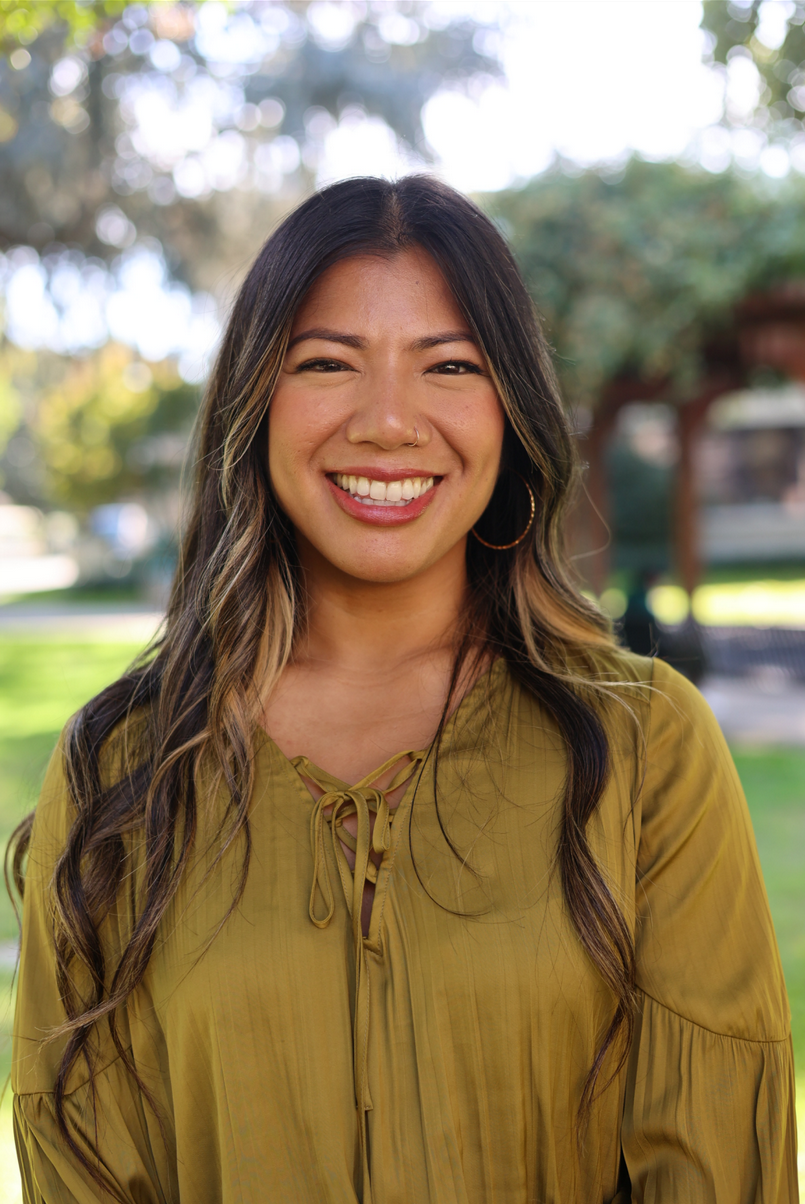
Giselle Cunanan is an Assistant Professor of Ethnic Studies and Asian American Studies at California State University, Sacramento. Her research examines the political struggles surrounding Ethnic Studies, documenting the racial labor of organizers and tracing how Ethnic Studies has taken shape within schools, universities, and public debates over race, democracy, and education. Her broader scholarly interests explore the afterlives of U.S. empire and militarization as they shape the political, social, and educational experiences of Filipinx communities across the Pacific and within California.

Colloquium: “Cultivating a Whimsical Praxis in Teaching and Learning” by Lucha Arévalo

Events

Join the UCR Department of Ethnic Studies for our colloquium speaker series

Monday, May 11, 2026
1:00-2:00 p.m.
CHASS INTN 3023

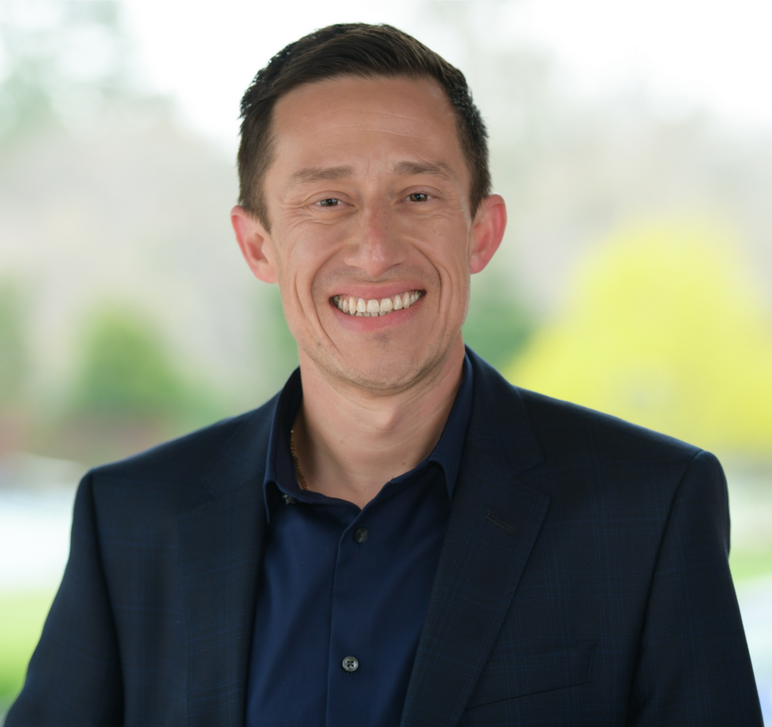
The latest trend invites us to add more whimsy to our lives, but what does whimsy look like in our classrooms and the institutions where we work? For the past seven years, Lucha has used their ethnic studies community college classroom to engage students in the powerful act and art of storytelling. Through this process, students tap into and channel their inner child in creative, playful ways, bringing a whimsical praxis to life in the classroom and beyond. While talking to animals, dressing up, and naming plants are all efforts to add more whimsy into our everyday lives, Lucha invites us to reflect on what this can look like in our professional practice. Bring your inner child to this intellectual playdate and let the magic of your curiosity lead the way.

Dr. Lucha Arévalo is an Associate Professor of Chicanx and Latinx Studies at Río Hondo College. Since graduating from UCR’s Ethnic Studies Department, Lucha has been recognized as an award-winning faculty member, most notably for their community-engaged scholarship and advocacy of open education.

Their recent publications include the open-access textbook, New Directions in Chicanx and Latinx Studies (2023) and its companion workbook (2024); “Nuestros Cuentos Cuentan: Storytelling as a Healing Modality in a Community College Classroom” (2023); and “Pedagogies
Beyond the Classroom: Reflections on Community-Engaged Scholarship” (2025).

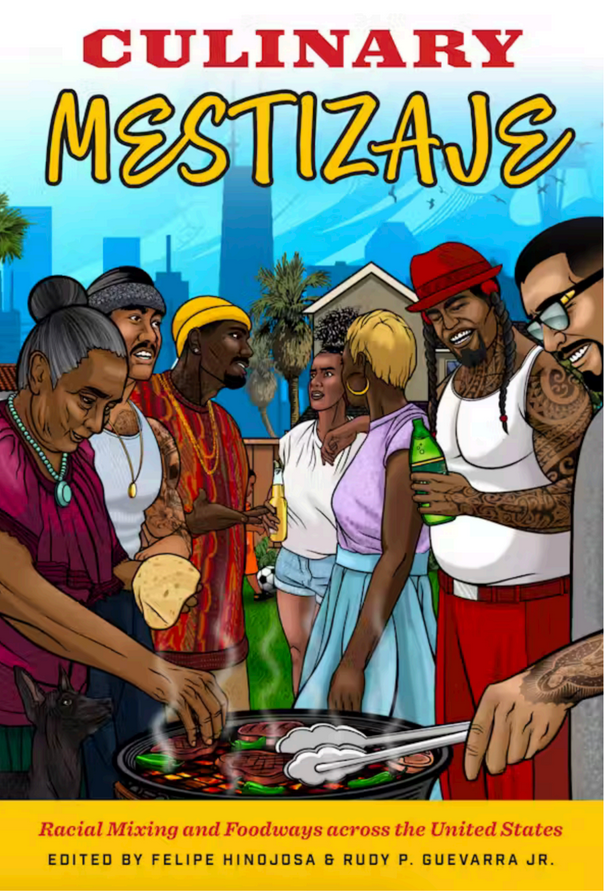
Colloquium: “Culinary Mestizaje: Racial Mixing and Foodways Across the United  States,” by Rudy P. Guevarra, Jr.

Colloquium: “Culinary Mestizaje: Racial Mixing and Foodways Across the United States,” by Rudy P. Guevarra, Jr.

Events

Join the UCR Department of Ethnic Studies for our colloquium speaker series

Monday, May 4, 2026
1:00-2:00 p.m.
CHASS INTN 3023

Join us for a talk story session with Rudy Guevarra, Jr., Ph.D., Professor of Asian Pacific American Studies at Arizona State University as he discusses his new co-edited book, Culinary Mestizaje: Racial Mixing and Foodways Across the United States, with Anthony Macias, Ph.D., Professor of Ethnic Studies.

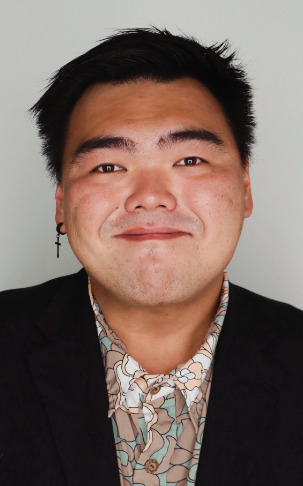
Dr. Rudy P. Guevarra, Jr. is Professor of Asian Pacific American Studies in the School of Social Transformation at Arizona State University. He is a former Ford Foundation Senior Fellow and UC Berkeley Chancellor’s Postdoctoral Fellow. Dr. Guevarra is the author and co-editor of eight books, including Becoming Mexipino: Multiethnic Identities and Communities in San Diego; and Aloha Compadre: Latinxs in Hawaiʻi. He is currently working on a biography, In Service of the King: Joaquin Armas, A Mexican Vaquero in Hawaiʻi (Beacon Press). In addition to his academic work, Rudy is also an avid cook and gardener, and is working on his first cookbook, The Mexipino Cafe.
Colloquium: “‘Un Secreto a Voces’: The Open Secret of Guatemalan Migration and Grassroots Mobilizations” by Julio Orellana

Colloquium: “‘Un Secreto a Voces’: The Open Secret of Guatemalan Migration and Grassroots Mobilizations” by Julio Orellana

Events

Join the UCR Department of Ethnic Studies for our colloquium speaker series

Monday, March 2, 2026
1:00-2:00 p.m.
CHASS INTN 3023

This presentation demonstrates how a migrant community made up of indigenous Maya and mixed “race” mestizo/ladino people play an essential social and economic role in the greater Los Angeles region, and in Guatemala. Despite their indispensability, they are exploited for their care work without any government representation or economic democracy, treated as a flexible workforce due to their lack of legal status. Nevertheless, grassroots organizations in Guatemala and abroad have continued to organize in the face of authoritarianism, state violence, and policing across multiple borders. I argue that given the historical context and development of capitalism, Guatemalans as a social class of forcefully displaced migrants engage in politics at the local, national, and transnational level in distinct ways.

Dr. Julio Orellana Dr. Julio Orellana is Visiting Assistant Professor of American Studies at Scripps College, and he was a 2023-2025 UC President’s Postdoctoral Fellow at the University of California, Santa Barbara. His primary areas of specialization are Latino Studies, Latin American Studies, and Central American Studies. His research examines the political economy of forced international migration from Guatemala and migrant politics in the southern California. His book in progress documents the rise of indigenous and non-indigenous Guatemalan migrants and the social conditions that have generated their civil society organizations.
Colloquium: “Refusing ‘Queer Paradise’: Māhū Pedagogies of Queer Indigenous Re-Memory in Hawaiʻi” by Pōmaikaʻi Gushiken

Colloquium: “Refusing ‘Queer Paradise’: Māhū Pedagogies of Queer Indigenous Re-Memory in Hawaiʻi” by Pōmaikaʻi Gushiken

Events

Join the UCR Department of Ethnic Studies for our colloquium speaker series

Monday, January 26, 2026
1:00-2:00 p.m.
CHASS INTS 1111

Based on close readings of a queer Native Hawaiian ‘zine and LGBTQ+ travel writing about Hawaiʻi, this talk develops the concept of “māhū pedagogies” to argue that while settler homonationalist tourism narratives enact cultural prostitution by figuring Hawaiʻi as a “queer paradise” absent of Native resurgence, māhū and queer Indigenous cultural workers refuse colonial narratives by centering queer Indigenous relationalities that generate decolonial futures.

Dr. Pōmaikaʻi Gushiken, is a Kanaka ʻŌiwi and Uchinānchu educator and researcher from Nānākuli, Hawaiʻi. Currently a UC Chancellor’s Postdoctoral Fellow at UCLA, he holds a Ph.D. in Ethnic Studies from UC San Diego.

His research focuses on decolonization, queer Indigenous futurity, and the intersections of pedagogy, refusal, and ea in Hawaiʻi.

Colloquium: “Caress of the Chinampa: Nahua Ecologies of Survivance and the Death of Mexico City” by Daniel P. Gámez

Colloquium: “Caress of the Chinampa: Nahua Ecologies of Survivance and the Death of Mexico City” by Daniel P. Gámez

Events

Join the UCR Department of Ethnic Studies for our colloquium speaker series:

“Caress of the Chinampa: Nahua Ecologies of Survivance and the Death of Mexico City”

By Daniel P. Gámez

Monday, December 1, 2025
1:00-2:00 p.m.
CHASS INTS 1111

In this talk, Daniel Gámez weaves extended conversations, collaborative archival analysis, and political advocacy with elders, traditional authorities, and agricultural workers of Atlapulco, a Nahua pueblo in Xochimilco, southern Mexico City. He focuses on the everyday intimate, spiritual, and embodied encounters with earthen materials and waterscapes, tracing environmental transformations experienced by chinampa ecologies—characterized by abundance and life—with the expansion of the colonial city. The talk will consider how the latter is on the brink of environmental catastrophe, prompted by centuries of imperial urbanization.

Daniel P. Gámez, UC President’s Postdoctoral Fellow, American Indian Studies & History—University of California, Los Angeles—is also a postdoctoral scholar for the project “Race in the Global Past through Native Lenses,” supported by the Andrew W. Mellon Foundation. He received his Ph.D. in Geography from The University of British Columbia and is an interdisciplinary scholar-activist specializing in the study of anticolonial thought, racialization, Indigenous sovereignty, and imperial urbanism in Abya Yala (Latin America & the Caribbean).
Colloquium: “Black Women, Biographies, and the Challenge of Two-Faced Archives” by K.T. Ewing

Colloquium: “Black Women, Biographies, and the Challenge of Two-Faced Archives” by K.T. Ewing

Events

Join the UCR Department of Ethnic Studies for our colloquium speaker series:

“Black Women, Biographies, and the Challenge of Two-Faced Archives”

By K.T. Ewing

Monday, November 24, 2025
1:00-2:00 p.m.
CHASS INTS 1111

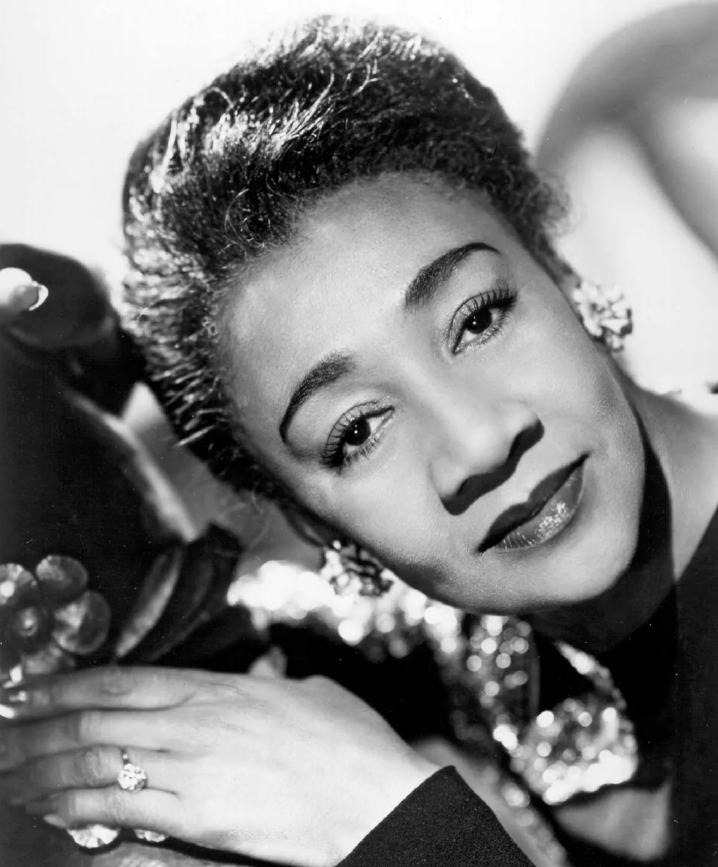
The craft of Black women’s biography enables a more accurate recounting of their lives as a corrective to how those stories have been erased, underappreciated, or misunderstood. This process of reclamation locates the presence of Black women in their fullness, both within and beyond traditional archives. It challenges the narrative that the relative silence surrounding Black women’s interior lives is synonymous with an absence of complexity. When these women intentionally preserve their own stories, the result is even richer. Using blues performer Alberta Hunter as an example, this talk explores how some Black women use a process of two-faced archiving to preserve and sometimes share their life stories on their own terms.

K.T. Ewing is an Associate Professor in the Department of Gender and Race Studies at The University of Alabama, is a proud third generation HBCU graduate whose interests include Black history, women and gender studies, and the influence of blues culture in American society. She has writings published in The Black Scholar, Black Perspectives, Transformations in Africana Studies, and Black Female Sexualities. Her current book project, Remember My Name: Alberta Hunter and the Two-Faced Archive, examines the life of Alberta Hunter, a twentieth-century blues and cabaret singer from Memphis, Tennessee.
Colloquium: “Graphic Vietnam: Visualizing Memoirs, Memories, and Militarism” by Long T. Bui

Colloquium: “Graphic Vietnam: Visualizing Memoirs, Memories, and Militarism” by Long T. Bui

Events

Join the UCR Department of Ethnic Studies for our colloquium speaker series:

“Graphic Vietnam: Visualizing Memoirs, Memories, and Militarism”

By Long T. Bui

Monday, October 20, 2025
1:00-2:00 p.m.
CHASS INTS 1113

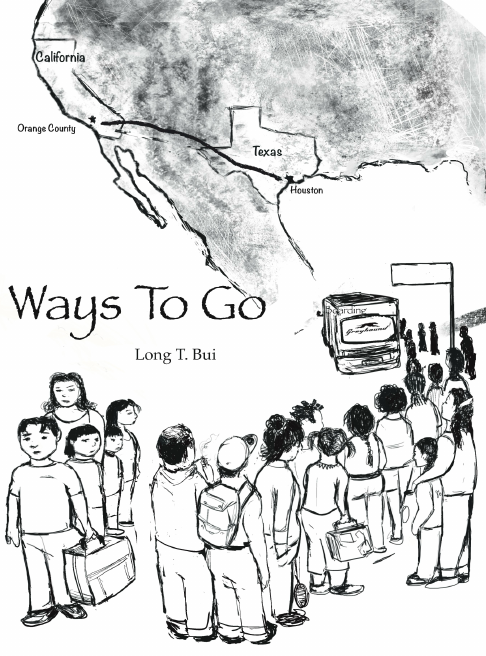
This talk presents my graphic memoir in progress. Using ethnic studies research and frameworks as the basis for art, I recognize the creative aspects of doing scholarly intellectual work (and vice versa). My book utilizes the power of comics and a powerful visual medium to draw out the many strands of the Vietnam War, previously considered America’s longest war, linking them with other protracted American conflicts such as race wars, drug wars, gang wars, the wars on poverty and terror. Although this year marks the 50th anniversary of the “end” of the Vietnam war, I illustrate, through my refugee family’s story, that no war is really over.

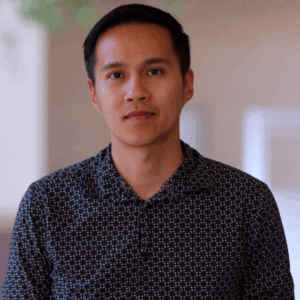
Long T. Bui is Professor of Global and International Studies at the University of California, Irvine.

He is the author of books such as Returns of War: South Vietnam and the Price of Refugee Memory (2018), Model Machines: A History of the Asian as Automaton (2022), and Viral World: Global Relations during the COVID-19 Pandemic (2024).

Bui earned a Ph.D. in Ethnic studies from UC San Diego and was a UC postdoctoral fellow in Ethnic Studies at UC Riverside.

Colloquium: “The Cahuilla Pedagogical Grammar Project: Results and Outcomes from An Indigenous Language Research Methods (ILRM) Approach to Writing Pedagogical Grammars for Indigenous Communities” by Ray Huaute

Colloquium: “The Cahuilla Pedagogical Grammar Project: Results and Outcomes from An Indigenous Language Research Methods (ILRM) Approach to Writing Pedagogical Grammars for Indigenous Communities” by Ray Huaute

Events

Join the UCR Department of Ethnic Studies for our colloquium speaker series:

“The Cahuilla Pedagogical Grammar Project: Results and Outcomes from An Indigenous Language Research Methods (ILRM) Approach to Writing Pedagogical Grammars for Indigenous Communities”

By Ray Huaute

Monday, May 19, 2025
1:00-2:00 p.m.
INTN 3023

With specific examples provided from my postdoctoral project, this talk presents an alternative model for research on a language that is also conducted for, with, and by the language-speaking community. In this framework, the “by” can include linguistic research conducted by an Indigenous community researcher as the Principal Investigator (PI), and in a manner that is relationally accountable to the language-speaking community. Centering linguistic research around community-specific language reclamation goals and values allows researchers to identify what might best support local language revitalization efforts.

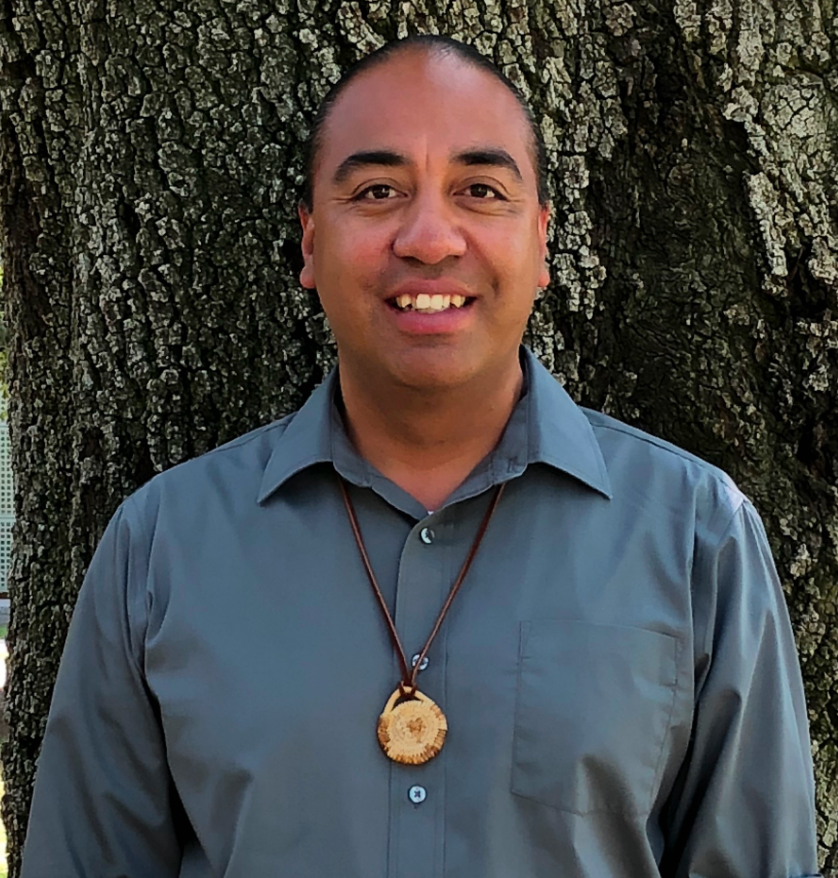
Ray Huaute (Chumash, Cahuilla), a UC President’s Postdoctoral Fellow in the Ethnic Studies Department at UC Riverside, earned a B.A. in Native American Studies at UCR, an M.A. in Native American Linguistics from the University of Arizona, and a Ph.D. in Linguistics from UC San Diego.

Ray won an Endangered Language Documentation Programme grant in 2019 to support linguistic fieldwork for his doctoral research on the Desert dialect of Cahuilla spoken on the Torres Martinez Desert Cahuilla Indian Reservation.

His postdoctoral research project utilizes original data from contemporary speakers of Cahuilla, along with archival documentation.

Colloquium: “The Desirable Conduit: Cinematic Fantasies of Latinx Sexuality and Labor” by Richard T. Rodríguez

Colloquium: “The Desirable Conduit: Cinematic Fantasies of Latinx Sexuality and Labor” by Richard T. Rodríguez

Events

Join the UCR Department of Ethnic Studies for our colloquium speaker series:

“The Desirable Conduit: Cinematic Fantasies of Latinx Sexuality and Labor”

By Richard T. Rodríguez

Monday, March 12, 2025
1:00-2:00 p.m.
INTN 3023

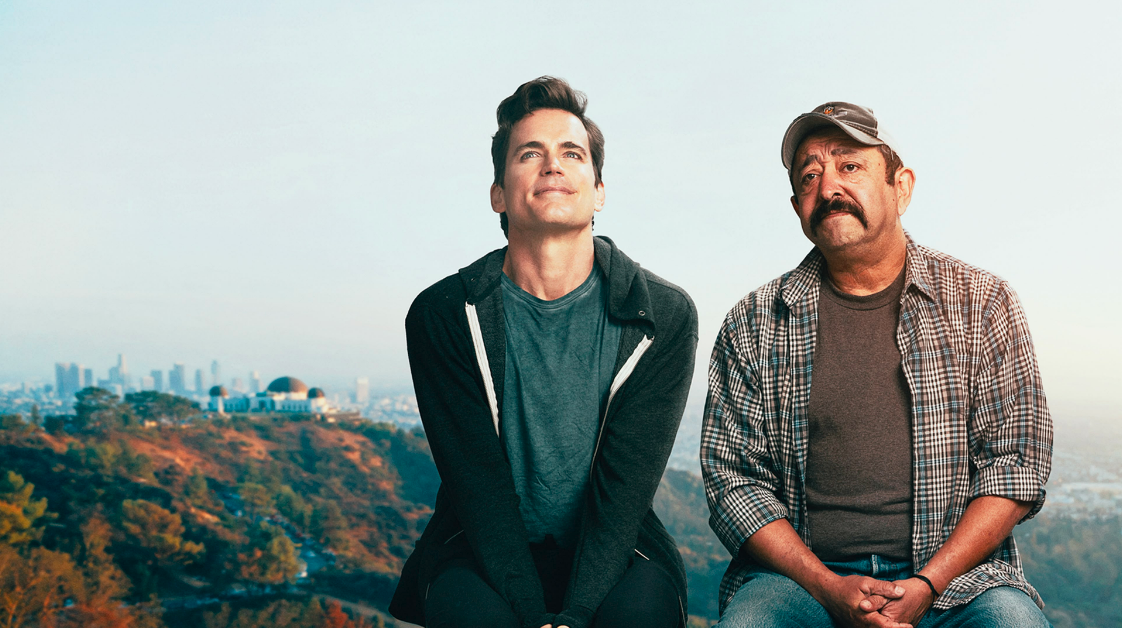
Drawn from my book in progress, The Desirable Conduit: Cinematic Fantasies of Latinx Sexuality and Labor, this talk focuses on John Butler’s 2018 dramedy Papi Chulo. Concerned with the simultaneous demand for Latino male sexuality and labor in contemporary queer cinema, focusing on what I identify as “bad cinema” helps glean insight in representational spaces to assess the social, sexual, economic, and psychic currencies afforded to and by Latino male sexuality.

Dr. Richard T. Rodríguez is Professor of English at the University of California, Riverside. He is the author of Next of Kin: The Family in Chicano/a Cultural Politics and A Kiss Across the Ocean: Transatlantic Intimacies of British Post-Punk and
U.S. Latinidad
, both published by Duke University Press and finishing a book of poems titled Exemplars & Accomplices.